 C-MovieFULL HD
Asia Live Action: Japanese, Korean and Chinese films, from Hula Girls, Waterboys and Little Forest to The Classic, Midnight Diner, Your Lie in April and Beyond the Infinite Two Minutes, and where to watch them
175 live-action films from Japan, Korea and China, chosen for the whole household.
Most watched
View allC-MovieFULL HD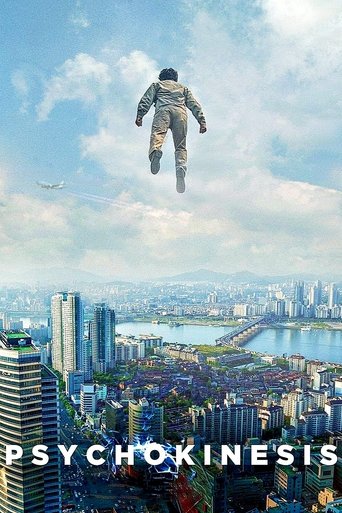 K-MovieFULL HD
Psychokinesis
2018 · ★ 6.3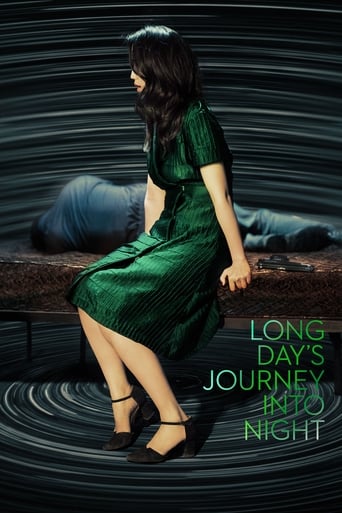 C-MovieFULL HD
Long Day's Journey Into Night
2018 · ★ 7.0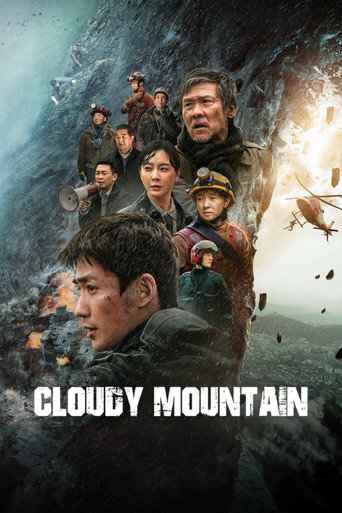 C-MovieFULL HD
Cloudy Mountain
2021 · ★ 7.1 C-MovieFULL HD
Double World
2020 · ★ 6.7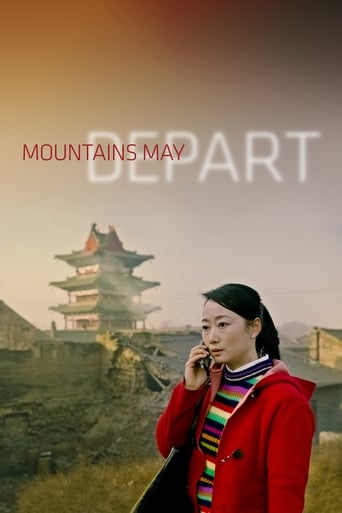 C-MovieFULL HD
Mountains May Depart
2015 · ★ 7.0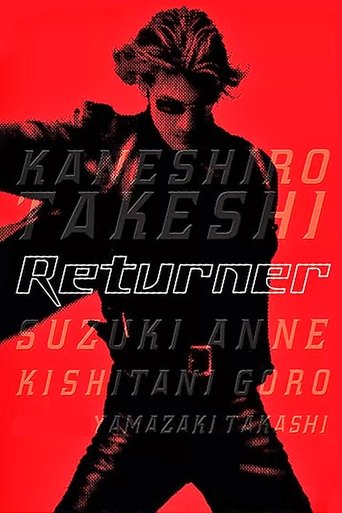 J-MovieHD
Returner
2002 · ★ 6.6 C-MovieHD
Kung Fu Dunk
2008 · ★ 6.0 K-MovieFULL HD
Sweet & Sour
2021 · ★ 7.7 C-MovieFULL HD
Black Dog
2024 · ★ 7.1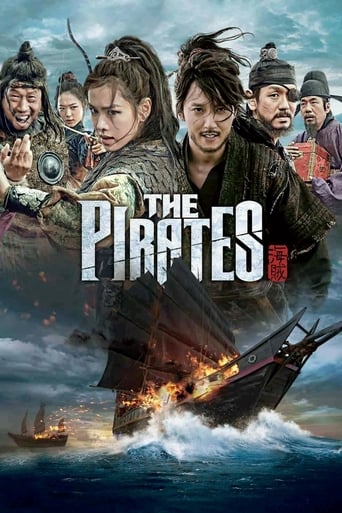 K-MovieHD
The Pirates
2014 · ★ 7.0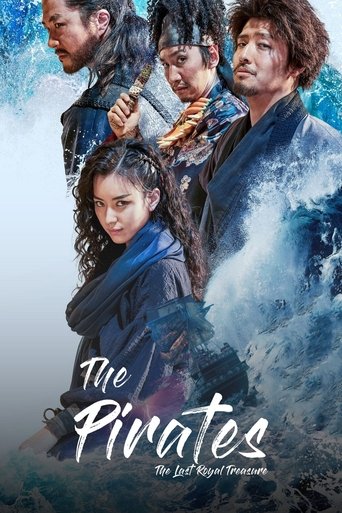 K-MovieFULL HD
The Pirates: The Last Royal Treasure
2022 · ★ 6.5Latest films
View all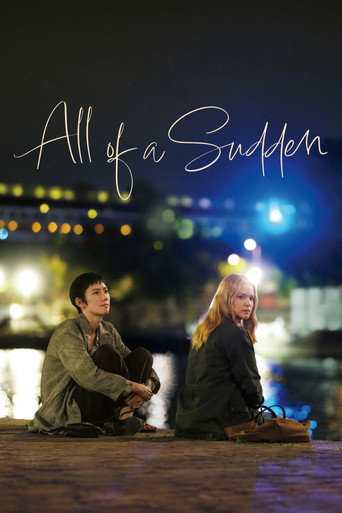 J-MovieFULL HD
All of a Sudden
2026 · ★ 8.0 K-MovieFULL HD
Pavane
2026 · ★ 7.3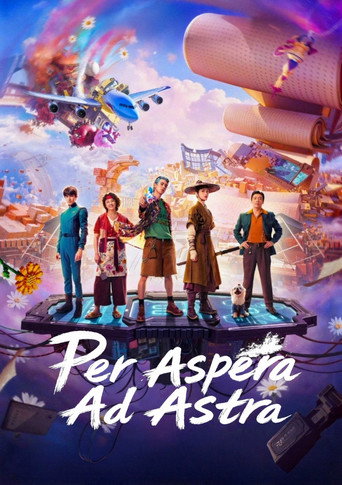 C-MovieFULL HD
Per Aspera Ad Astra
2026 · ★ 8.0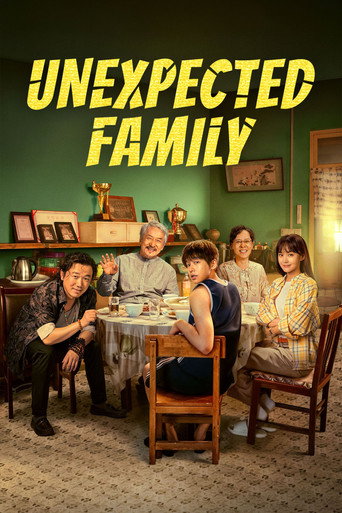 C-MovieFULL HD
Unexpected Family
2026 · ★ 8.0 C-MovieFULL HD
The Stage
2025 · ★ 7.3 C-MovieFULL HD
The Lychee Road
2025 · ★ 7.2From manga
View all K-MovieFULL HD
Little Forest
2018 · ★ 7.6 J-MovieFULL HD
Gintama
2017 · ★ 6.8 J-MovieHD
Close Range Love
2014 · ★ 7.4 J-MovieFULL HD
Orange
2015 · ★ 7.3 J-MovieHD
Nana
2005 · ★ 6.8 J-MovieFULL HD
Little Forest: Winter/Spring
2015 · ★ 7.8Food and country life
View all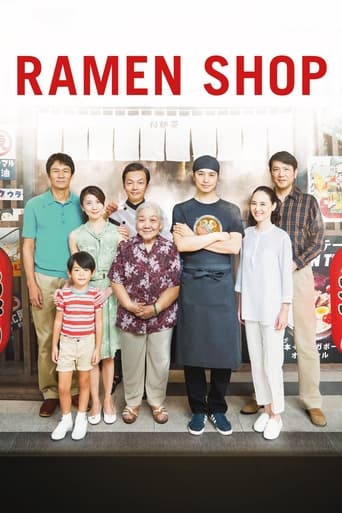 J-MovieFULL HD
Ramen Shop
2018 · ★ 6.8 J-MovieHD
Heavenly Forest
2006 · ★ 7.5 J-MovieHD
Wood Job!
2014 · ★ 7.4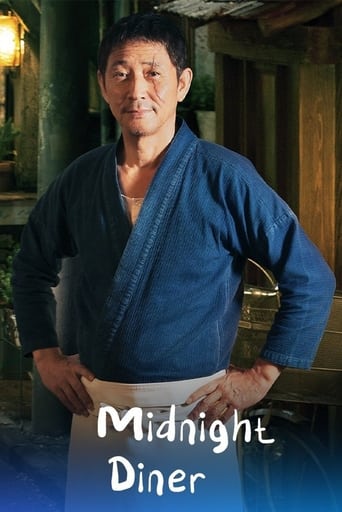 J-MovieHD
Midnight Diner
2014 · ★ 7.7 J-MovieHD
Café Lumière
2004 · ★ 6.8 J-MovieHD
Funky Forest: The First Contact
2005 · ★ 6.5Categories
- J-Movie 112
- K-Movie 33
- C-Movie 30
- From manga 38
- School days 45
- Comedy 74
- Romance 63
- Drama 128
- Action and adventure 34
- Fantasy and science fiction 35
- Family 37
- Music and dance 18
- Food and country life 17
- Before 2010 40
- 2010 to 2016 42
- 2017 to 2020 48
- 2021 onwards 45
- Top rated 69
Help
View all- How to watch with Asia Live Action
- J-Movie
- K-Movie
- C-Movie
- From manga
- Food and country life
- School days
- Comedy
- Romance
- Fantasy and science fiction
- Family
- Music and dance
- Directors
- Finding titles
- My List
Asian films in live action: the Asia Live Action guide
Asia Live Action: Japanese, Korean and Chinese films, from Hula Girls, Waterboys and Little Forest to The Classic, Midnight Diner, Your Lie in April and Beyond the Infinite Two Minutes
Many people first meet the stories of Japan, Korea and China as drawings: a comic read on a telephone, an animated series watched after school. Fewer know that the same countries make some of the most enjoyable live-action films in the world, with real actors, real kitchens, real classrooms and real mountains, and that a great many of the best-loved comics have been filmed in this way. Asia Live Action is a guide to 175 such films, made between 1996 and 2026, each with its own page, its story, its cast and a Watch now button that leads to the official services carrying it in your country.
The catalogue has been chosen for the whole household. Each film was read through by hand, and the selection favours comedies, school stories, romances, family dramas, films about food and the countryside, and fantasy adventures. Crime stories, horror, war films and films for adults only were left out. What remains is 112 films from Japan, 33 from South Korea and 30 from China and Taiwan.
This guide introduces the films by country and by subject, describes the ones most worth an evening, and ends with plans for a first month. Each section links to a short help page, and the How to watch page sums up the simple steps from a poster to the official service. The site whose name this guide carries was written in Spanish for viewers in Latin America and Spain; the guide is in English, and the list of countries on every title page begins with Mexico, Spain, Argentina, Colombia, Chile and Peru.
How Asia Live Action looks
Asia Live Action keeps the look of the original: a page of deep navy blue, a sky-blue accent, and a rounded, friendly typeface. At the top of the home page a wide picture presents one featured film, with a small country label, the title, the opening of its story and two buttons, both of which open the page of the film.
Below it the films are set out as tall posters in six columns. Each poster carries a label in its upper corner, J-Movie in sky blue, K-Movie in turquoise or C-Movie in peach, and a small red tag in the lower corner, with the title, the year and the average rating beneath. Most watched shows the twelve films with the most votes from viewers; Latest films, From manga and Food and country life follow; and a list of every category, the help pages and this guide complete the page. On a telephone the posters stand two abreast and the menu folds into a button.
What live action adds
A drawn story can do anything; a filmed one must find a real boy who can swim, a real girl who can play the violin, a real valley under real snow. That limit is the charm of these films. When Waterboys shows five awkward schoolboys performing synchronised swimming, the actors have truly learned the routine. When Little Forest: Winter/Spring shows a young woman making bread from walnuts she has gathered, the camera watches every step. When Hula Girls ends with a dance, it is danced.
The films are also, for the most part, modest in scale, and that is another pleasure. Japanese and Korean cinema keeps alive a kind of film that has grown rare elsewhere: the mid-sized story about ordinary people, a family, a club, a small business, a village, told with humour and at an easy pace over about two hours. Viewers who feel that the cinema has been taken over by noise often find these films a relief.
Those who come to them from comics and animation will find familiar pleasures in a new form. The From manga category holds 38 films made from comics, and the From manga help page lists them; a later section of this guide describes the best.
J-Movie
The J-Movie category is the largest, with 112 films, and the J-Movie help page gives a route through it. Hula Girls, from 2006, is the ideal first choice. It is 1965, and the coal mine that has fed a cold northern town for generations is about to close. The company's plan to save the town sounds absurd: a heated pleasure park with palm trees, called the Hawaiian Center, and a troupe of local hula dancers. A proud, unhappy dancer arrives from Tokyo to train the miners' daughters, most of whom are seeing a dance for the first time, and whose families think the whole idea shameful.
The story is true, the park exists to this day, and the film, directed by Lee Sang-il, won the chief prizes of the Japanese film academy. It is funny and stirring in equal measure, and the final performance, by the young actress Yu Aoi and the troupe, is a real triumph of training. Families with daughters will find it especially rewarding.
Waterboys, from 2001, started a whole fashion for cheerful films about unlikely school clubs. The swimming club of a boys' high school has one member, until a beautiful new teacher arrives to coach it; thirty boys join at once, and then discover that her speciality is synchronised swimming. Five stay, and must put on a show at the school festival. Its director, Shinobu Yaguchi, is the master of this kind of good-natured comedy, and four more of his films are here: Happy Flight, which follows one airliner's journey through the eyes of pilots, cabin crew, mechanics and controllers; Wood Job!, in which a city boy who has failed his examinations signs up for a year of forestry in the mountains because of a pretty face on a leaflet; Survival Family, in which all electricity stops and a Tokyo family sets off across Japan by bicycle; and Dance with Me, a musical about an office worker hypnotised into dancing every time she hears a tune.
Always - Sunset on Third Street, from 2005, is a portrait of one Tokyo back street in 1958, with the Tokyo Tower rising half-built in the distance: a car repair shop, a struggling writer who keeps a sweet shop, a girl arriving from the country by the school-leavers' train, the first television set on the street. It won twelve prizes at the Japanese academy awards and is treasured by older viewers for its memory of a hopeful time.
The quiet films are a Japanese speciality. Every Day a Good Day, from 2018, follows a young woman through twenty-four years of weekly lessons in the tea ceremony, with a teacher played by the great Kirin Kiki, and shows how a slow discipline can steady a life. The Chef of South Polar is about the cook at a research station in the Antarctic, where eight men live for a year with the same frozen stores and look forward to supper more than to anything else. Rent-a-Cat is about a woman who pulls a cart of cats along the riverbank and lends them to lonely people. A Story of Yonosuke, The Asadas!, about a photographer whose subject is his own family, Quill: The Life of a Guide Dog, If Cats Disappeared from the World and Small, Slow But Steady have the same patient warmth.
The veteran director Yoji Yamada, who has made films for more than sixty years, is represented by four. Tokyo Family, from 2013, retells a famous story of elderly parents visiting their busy grown children in the capital. The Little House, from 2014, is narrated by a former housemaid recalling a red-roofed house in the suburbs before the war, and its young star won the acting prize at the Berlin festival. What a Wonderful Family! is a comedy with the same cast as Tokyo Family, and Love and Honor is a story of a low-ranking samurai, his wife and his honour.
Midnight Diner
Midnight Diner, from 2014, and Midnight Diner 2, from 2016, come from a much-loved comic and television series, and they are among the most comforting films in the catalogue. In a back alley of the Shinjuku district of Tokyo there is a small eating house that opens at midnight and closes at seven in the morning. The owner, known only as Master, has a scar over one eye and a short menu, but he will cook anything a customer asks for if he has the ingredients.
Each story begins with a dish, a rice omelette, a bowl of grated yam, fried noodles, and with the person who orders it: a taxi driver, a dancer, a runaway girl, a man back from the disaster in the north. The regulars at the counter listen, tease, and help. The films are about kindness between strangers in a great city late at night, and they make the viewer hungry. The diner also has a relation in Korea and China, where versions of the same series have been made.
From manga
The films made from comics are the original speciality of Asia Live Action. Nana, from 2005, taken from one of the best-selling comics for young women, begins on a train to Tokyo, where two girls of twenty, both called Nana, sit side by side by chance. One is small, sweet and in love with love; the other is a punk singer in black leather with a band to build. They end up sharing flat number 707, and the film is the story of their friendship. The singer was played by a real pop star, whose songs from the film topped the charts, and Nana 2 continues the tale.
Bakuman, from 2015, is a comic about making comics: two schoolboys, one who draws and one who writes, set out to be published in the most famous weekly magazine in Japan before they leave school. The film shows the craft in exciting detail, pens, ink, deadlines and the weekly reader survey that decides who survives. Chihayafuru: Part I does the same for an old card game in which players must snatch the right card as a classical poem is read aloud, and makes it as tense as any sport.
Your Lie in April, from 2016, is about a boy who was a prize-winning pianist as a child and has lost the ability to hear the notes, and the free-spirited girl violinist who insists that he accompany her. Orange, from 2015, begins when a schoolgirl receives a letter written by herself ten years in the future, asking her to look after a new classmate. Bunny Drop, from 2011, is a gentle comedy about a single man of twenty-seven who takes in a six-year-old girl, a relation whom nobody else will have, and learns about nursery schools, packed lunches and leaving work on time.
School romances taken from comics for girls fill a shelf of their own: Strobe Edge, Close Range Love, My Little Monster, Wolf Girl and Black Prince, The Black Devil and the White Prince, Honey, Clover, Liar x Liar, My Teacher, My Teacher, My Love, Heart Beats and ReLIFE, in which a man of twenty-seven is sent back to school for a year looking seventeen. For comedy there are Gintama, a wild spoof set in a Japan of samurai and aliens; Wotakoi: Love is Hard for Otaku, a musical about two office workers who hide their hobbies; and GTO: The Movie, with its motorcycling teacher.
Three more are among the finest films in the catalogue. Little Forest: Winter/Spring has its own section below. A Gentle Breeze in the Village, from 2007, is about a girl in the top class of a country school with only six pupils, and the boy who arrives from Tokyo. And Kiki's Delivery Service, from 2014, films with real actors the children's novel about a young witch who sets up a flying delivery business in a seaside town, which many viewers know from a famous animated version.
Little Forest and the films of food
The Food and country life category holds 17 films, and the Food and country life help page lists them. Little Forest: Winter/Spring, from 2015, is the second half of a pair made from a comic by an author who had himself lived in the mountains of northern Japan. A young woman, Ichiko, has come back from the city to the hamlet where she grew up, a place so small that the nearest shop is half an hour away by bicycle. She lives alone in her mother's house, grows rice and vegetables, and cooks what the season gives: steamed bread on the stove in winter, pickles, sweet red-bean buns, wild greens fried in batter in spring.
There is very little plot. The film is a calendar of work and meals, with Ichiko's thoughts about her absent mother running quietly underneath, and it has the effect of a week in the country. In 2018 it was remade in Korea as Little Forest, with a young woman returning from Seoul to her village; the Korean version adds two childhood friends and a dog, and is a little sunnier. Watching the two side by side is a pleasant lesson in the cooking of both countries.
Ramen Shop, from 2018, follows a young noodle chef from Japan to Singapore in search of his late mother's family and her recipes, and joins two cuisines in one bowl. Cafe Funiculi Funicula is set in a coffee house with a seat from which a customer can visit the past, but only until the coffee grows cold. Umami, The Chef of South Polar, the two Midnight Diner films and Wood Job! complete a category that should be watched after supper, and only after.
Two minutes into the future
Beyond the Infinite Two Minutes, from 2020, is one of the cleverest small films of recent years, and it stands near the top of the Most watched group. Kato owns a café and lives in the flat above it. One evening he finds that the monitor in his room shows the café downstairs exactly two minutes in the future, and the screen in the café shows his room two minutes in the past. His friends arrive, place the two screens face to face, and discover that they can see further and further ahead.
The whole film, seventy minutes long, appears to be one continuous shot, and it was made by a small theatre company from Kyoto with a telephone for a camera. Working out how it was done is half the fun. The same company made River, from 2023, in which the staff and guests of a riverside inn find themselves repeating the same two minutes again and again, each time a little wiser, and its earlier stage play became Summer Time Machine Blues, from 2005, in which a university science-fiction club uses a time machine for the modest purpose of fetching the remote control of an air conditioner. Mondays, in which an office team is stuck in the same working week, belongs to the same ingenious family.
Fantasy and science fiction
The Fantasy and science fiction category holds 35 films, and the Fantasy and science fiction help page divides them into stories of time and stories of legend. Be with You, from 2004, is a fantasy of the gentlest kind: a wife who has died promises her husband and small son that she will return with the rains, and a year later, in the rainy season, she does, with her memories of them gone. The Miracles of the Namiya General Store connects three young men hiding in an empty shop with letters posted there thirty years before. Color Me True brings a princess out of an old black-and-white film into the colourful world of a young assistant director, and The Door into Summer, Cyborg She and Returner travel in time.
Destiny: The Tale of Kamakura, from 2017, is set in an old seaside town where spirits, goblins and the dead walk about quite openly among the living, and a writer must follow his young wife to the land beyond. It was made by the director of Always - Sunset on Third Street, with the same affection for detail. Godzilla: Tokyo S.O.S. represents the famous monster, and Symbol, Big Man Japan, Funky Forest: The First Contact, The Whispering Star and Love & Peace, in which a clerk's pet turtle grows with his ambitions, are for viewers with a taste for the eccentric.
The legends of Korea and China are grander. Woochi: The Demon Slayer, from 2009, releases a mischievous wizard of the old kingdom from a scroll into modern Seoul. Psychokinesis gives an ordinary security guard the power to move things with his mind, which he uses to help his daughter's street of small shopkeepers. The Monkey King 2, Immortal Demon Slayer, League of Gods and Double World are spectacles drawn from the classic Chinese novels of gods and heroes, and The Moon and Wonderland, both from Korea, and Per Aspera Ad Astra, from China, look to space and to the near future.
K-Movie
The K-Movie category holds 33 films, and the K-Movie help page introduces them. The Classic, from 2003, is the Korean love story by which others are measured. A university student, tidying the attic, finds a box of letters and a diary that belonged to her mother, and reads the story of her mother's first love in the summer of 1968: a country holiday, a boat on a river, a sudden shower, a boy and his best friend. The same actress plays both mother and daughter, and the two stories, a generation apart, turn out to be joined. It is unashamedly romantic and has been making audiences cry for twenty years.
Architecture 101, from 2012, is a quieter film on a similar theme: an architect is asked by a client to rebuild her family house on Jeju Island, and slowly recognises her as the girl he loved in his first year at university. On Your Wedding Day follows a boy's ten-year devotion to his first love, Sweet & Sour has a twist that sends viewers straight back to the beginning, and One Fine Spring Day, from 2001, about a sound recordist and a radio producer, is among the most admired of all Korean films for its truthfulness.
The comedies are broad and warm-hearted. In Secret Zoo, a lawyer given a bankrupt zoo with hardly an animal left dresses his staff in very good costumes. In Sinkhole, a man who has saved for eleven years to buy a flat holds a housewarming party, and the whole building drops five hundred metres into the ground. In 6/45, a winning lottery ticket blows across the border between South and North, and the soldiers on both sides must negotiate. In Pawn, two rough debt collectors take a nine-year-old girl as security for a loan and end by bringing her up. Champion is about arm wrestling, Dream about a football team of homeless men preparing for an international tournament, and Miracle: Letters to the President about a boy in a village that has a railway line and still lacks a station, who writes to the President fifty-four times.
Masquerade, from 2012, is the finest costume film in the catalogue. A king who fears for his safety has a lookalike found, a street entertainer, to sit on the throne in his place for a few nights. When the king falls ill, the clown must rule for fifteen days, and begins to ask why the laws are as they are. It is a comedy, a drama of conscience and a splendid spectacle, and it is among the most successful films ever shown in Korea. The Pirates, from 2014, and The Pirates: The Last Royal Treasure are lively adventures in the same costume, the first of them about a royal seal swallowed by a whale.
Little Forest, Canola, in which a grandmother who dives for shellfish on Jeju is reunited with a granddaughter lost for twelve years, Moonlit Winter, Hear Me: Our Summer, a love story told largely in sign language, A Year-End Medley, Love Reset, Love 911, Start-Up, Mission: Cross, Cobweb, about a film director of the 1970s who is sure that two more days of shooting will give him a masterpiece, and Pavane, from 2026, complete the category.
C-Movie
The C-Movie category holds 30 films, and the C-Movie help page arranges them. Chinese cinema today has two faces, the popular and the artistic, and both are here. The great popular successes are comedies. Hello Mr. Billionaire, from 2018, gives a hopeless goalkeeper one month to spend a thousand million of the local currency, and finish with empty hands, in order to inherit thirty times as much. Yolo, from 2024, was written and directed by its star, a famous comedian, who plays a woman of thirty-two living in her parents' spare room; she takes up boxing, and the actress's own transformation for the part astonished the country. Pegasus 2 is a comedy of rally driving, and The Island strands an office outing on a desert island.
Films of real events are another popular kind. The Captain, from 2019, recreates a flight in which the windscreen of an airliner broke at ten thousand metres and the crew brought everyone home. The Climbers tells of the Chinese ascents of the highest mountain in the world, The Bravest of firefighters at a harbour, Cloudy Mountain of engineers and a landslide, and Born to Fly of test pilots. They are made with great technical skill and suit older children.
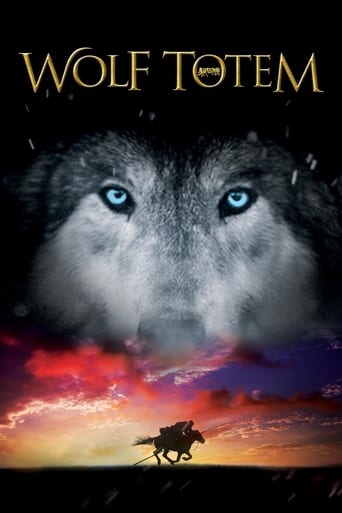
The artistic films have won the chief prizes of the European festivals. Still Life, from 2006, which won the Golden Lion at Venice, follows two people searching for lost relatives in a town about to be drowned by a great dam. Mountains May Depart, by the same director, follows three friends from 1999 into the future. Long Day's Journey Into Night ends with a single dreamlike shot nearly an hour long. Black Dog, from 2024, which won a prize at Cannes, is about a silent man who returns to his fading town on the edge of the desert and befriends a stray. Wolf Totem, filmed on the grasslands of Inner Mongolia with real wolves, is a magnificent film about nature for all ages.
Kung Fu Dunk, Tai Chi Zero, Monk Comes Down the Mountain, Confucius, The Lychee Road, Step Up: Year of the Dance, The Breaking Ice, The Stage, Unexpected Family and 18x2 Beyond Youthful Days, a romance that travels from Taiwan to the snow country of Japan, are others worth knowing.
School days
The School days category holds 45 films, and the School days help page lists the best. The Japanese school film is a form in itself, with its uniforms, its club activities after lessons, its rooftop lunches and its cultural festival in autumn. Hana & Alice, from 2004, directed by Shunji Iwai, is about two inseparable friends and a boy who is persuaded that he has lost his memory; it ends with a ballet danced in a paper cup and a school uniform that is one of the loveliest scenes in Japanese film. April Story, by the same director, is barely an hour long: a shy girl from the far north arrives at a university in Tokyo in the season of cherry blossom, and we slowly learn why she chose it.
The Kirishima Thing, from 2012, shows one week at a high school after the star of the volleyball team quits, told from the point of view of each group in turn, the athletes, the popular girls, the brass band and the film club at the bottom of the ladder; it won the Japanese academy's prize for best film. It's a Summer Film! is about a schoolgirl who loves old samurai pictures and makes one of her own with her friends. GO, Crying Out Love in the Center of the World, Heavenly Forest, Initiation Love, Even If This Love Disappears Tonight, Love Like the Falling Petals, Happyend, My Sunshine, about two children learning to skate together through a northern winter, and We Are Little Zombies are other films of youth.
Comedy
The Comedy category holds 74 films, and the Comedy help page names the funniest. Besides the films of Shinobu Yaguchi and the Korean comedies already described, it offers Welcome Back, Mr. McDonald, from 1997, a farce set in a radio studio during the live broadcast of a play: the leading actress wants her character's name changed, then the other actors want changes too, and by midnight a quiet romance set in a fishing village has become an American courtroom drama with a rocket in it. The writer and director, Koki Mitani, is Japan's master of this kind of comedy.
Fish Story is built like a puzzle, around a punk song recorded in 1975 that, by a long chain of accidents, saves the world in 2012. Tremble All You Want and Hold Me Back, by the same director, are comedies about shy young women with lively inner voices. Asakusa Kid is the story of a famous comedian's apprenticeship in a music hall. Samurai Marathon turns a real race of 1855 into an adventure, Shaolin Girl and Volcano High mix school and martial arts, and Love Strikes!, Cherry Magic! THE MOVIE and Goemon bring further variety.
Family
The Family category holds 37 films, and the Family help page suggests those for several generations. Bunny Drop, Tokyo Family, Pawn, Canola, The Asadas! and Survival Family have been described. Close-Knit, from 2017, is about an eleven-year-old girl who goes to stay with her uncle and his partner and finds, for the first time, a home where someone makes her a proper packed lunch. True Mothers is about adoption and the two women who love one child, and Love Life about a couple and the families around them. The Little House and Aristocrats look at households of the past and present with a novelist's eye.
For younger children the safest choices are Kiki's Delivery Service, Quill: The Life of a Guide Dog, Secret Zoo, The Pirates, Wolf Totem, Godzilla: Tokyo S.O.S. and the comedies of Shinobu Yaguchi. Children of ten and over can manage most of the catalogue, and teenagers will find the school films written for them.
Music and dance
The Music and dance category holds 18 films, and the Music and dance help page lists them. Hula Girls, Your Lie in April, Nana, Dance with Me and Fish Story lead it. The Liar and His Lover is about a songwriter who hides his identity from a schoolgirl with a remarkable voice. Step Up: Year of the Dance takes a famous series of dance films to Beijing. And 25th Anniversary Studio Ghibli Concert is exactly that: a great orchestra and several choirs performing the music of a beloved animation studio, conducted by its composer, in a hall in Tokyo, which makes a wonderful evening for anyone who knows the tunes.
Romance
The Romance category holds 63 films, and the Romance help page picks out the best. The love stories of East Asian cinema are restrained and seasonal. Feelings are shown by small acts, an umbrella lent, a letter kept, a seat saved on a bus, and the weather does much of the talking: cherry blossom for beginnings, summer rain for confessions, snow for partings. Be with You is ruled by the rainy season, April Story by spring, and Josee, the Tiger and the Fish, from 2003, about a student and a sharp-tongued young woman who sees the world from a pushchair and from books, by the sea in winter.
Several of the most popular are stories of memory. Crying Out Love in the Center of the World, from 2004, the most successful Japanese romance of its decade, follows a man back to the tapes he and a schoolfriend recorded for each other seventeen years before. The 8-Year Engagement is the true story of a groom who waited. The 100th Love with You, Just Remembering, which runs backwards through six birthdays, My Rainy Days, Heavenly Forest and Haru, from 1996, one of the first films about two people who fall in love by exchanging messages on a computer, are others. From Korea come The Classic, Architecture 101 and One Fine Spring Day, and from China and Taiwan 18x2 Beyond Youthful Days and Mountains May Depart.
Viewers used to faster films should allow these their own pace. They are built to leave an after-image, a single scene that returns to the mind days later, and most admirers can name theirs at once: the two umbrellas, the firefly cupped in two hands, the cassette player on the school roof.
Directors worth following
The Directors help page names those most strongly represented. Shinobu Yaguchi, with five films, has been described; his comedies always begin with ordinary people thrown into something they are bad at, and end with them rather good at it. Yoji Yamada has four, and Takashi Yamazaki three: Returner, Always - Sunset on Third Street and Destiny: The Tale of Kamakura. Sho Tsukikawa and Takahiro Miki are the specialists of the school romance, with four and three films each, and Ryuichi Hiroki made Strobe Edge, Wolf Girl and Black Prince and The Miracles of the Namiya General Store.
Shunji Iwai, the poet of Japanese youth, is represented by April Story, Hana & Alice and A Bride for Rip Van Winkle. Naomi Kawase, whose films are full of forests, light and wind, made The Mourning Forest, which won the Grand Prix at Cannes, Radiance, about a woman who writes descriptions of films for blind audiences, and True Mothers. Ryusuke Hamaguchi made Happy Hour, a portrait of four women friends in the port city of Kobe that runs for more than five hours and whose four leading players, all of them new to acting, shared the acting prize at a great European festival; it is best taken in three sittings. Naoko Ogigami, Shuichi Okita and Sho Miyake are quieter talents whose films reward patience.
From Korea, Kwak Jae-yong made The Classic and then, in Japan, Cyborg She; Hur Jin-ho made One Fine Spring Day; and Kim Jee-woon made Cobweb. From China, Jia Zhangke is the chronicler of a country changing at great speed, and Bi Gan and Guan Hu are among the most gifted of the younger directors.
A journey through the films
The films make a fine tour of three countries. Japan is seen from north to south: the snowfields of Hokkaido in My Sunshine, the mountain hamlets of the north-east in Little Forest: Winter/Spring, the coal country of Hula Girls, the back streets and neon of Tokyo in Midnight Diner, the old capital of Kamakura, the rivers and inns of Kyoto in River, and the forests of the Kii peninsula in Wood Job!. To the Ends of the Earth follows a Japanese television presenter filming a travel programme in Uzbekistan, and The Chef of South Polar goes as far as it is possible to go.
Korea offers the volcanic island of Jeju in Canola and Architecture 101, the rice country in Little Forest, and Seoul in every mood. China offers the gorges of the great river in Still Life, the grasslands of the north in Wolf Totem, the desert towns of the north-west in Black Dog, the frozen border country in The Breaking Ice, and the highest mountain on earth in The Climbers. Viewers often say that these films taught them more about how people live in the three countries than any amount of news.
Finding a film
The Finding titles help page explains the several ways to find a film on Asia Live Action. The search box in the header accepts a title and shows matching films as you type. Films are listed under their English titles, and the page of each gives its original title in Japanese, Korean or Chinese script and the other names by which it is known; the search recognises those as well, which helps when a film is better known to admirers by its original name.
The menu opens the three country categories, the Categories list on the home page gives each category with the number of films in it, the A-Z page lists all 175 alphabetically with their years, and the Movies page lists them by popularity. Two films share the title One Week Friends, a Japanese original of 2017 and a Chinese version of 2022, and two are called Little Forest, with the Japanese one carrying the words Winter/Spring; the country label on each poster tells them apart at a glance.
What a title page shows
The page of each film has a fixed order. The poster, the title in English and in its original script, the year, the running time and the average rating come first. Then follow a short account of the story, the genres, the director and the leading actors, and a row of related films from the same categories. The Watch now button opens the list of official services that offer the film in the country you choose.
Asian live-action films are easier to find on official services than they were a few years ago. The large streaming services carry a growing number, especially from Korea and Japan; services that specialise in Asian film and drama hold many more, with subtitles in Spanish, English, Portuguese and other languages; and distributors in Latin America, Spain and elsewhere release the best known for rental and purchase in the digital shops. Several of the older Japanese titles have been restored and reissued. Because the offers differ by country and change from month to month, the list on each title page is the place to look.
The Add to My List button on each page sets a film aside for a later evening. The list is kept in the browser of your own device, with neither an account nor a password, and it opens from the My List link in the menu. The My List help page shows how to remove a film and how to move the list to another device.
Watching with subtitles
Nearly every film here is watched with subtitles, and a few habits make that comfortable. Sit a little closer than usual, or choose a larger text size where the service allows it. Give the first ten minutes your full attention, since names and relationships are set out quickly; after that the story carries you. Japanese and Korean put the family name first, and characters address each other by title or family name until they are close, so the moment when two people begin to use given names is an event worth noticing.
It is worth leaving the original sound on even where a dubbed version exists. The voices are half of the performance: the clipped politeness of a Japanese office, the sing-song of the Kansai dialect in a comedy from Osaka, the warm bluntness of a Korean grandmother. After five or six films most viewers find that they recognise greetings, thanks and apologies by ear, and children pick them up faster than adults.
A first month
Here is a plan for a household new to these films, two evenings a week. In the first week, watch Hula Girls and Waterboys. In the second, The Classic and Midnight Diner. In the third, Beyond the Infinite Two Minutes, which is short, with Bunny Drop, and then Masquerade. In the fourth, Little Forest: Winter/Spring and Always - Sunset on Third Street.
After that, follow your taste. For laughter, go on to Survival Family, Secret Zoo and Hello Mr. Billionaire; for romance, to Architecture 101, Be with You and April Story; for something to think about, to Still Life, Tokyo Family and Every Day a Good Day; for teenagers, to Bakuman, Chihayafuru: Part I, Orange and Nana; and for a long winter weekend, to the five hours of Happy Hour.
How the films were chosen
Every title on Asia Live Action was considered by a person before it was admitted. The selection keeps to comedies, romances, school and family stories, films of food and the countryside, and fantasy adventures; films built on crime, horror, war or adult themes were set aside, however well known. Some of the dramas deal with serious matters, illness, bereavement, loneliness, as thoughtful films do, and the page of each film describes its story plainly so that parents can judge.
Asia Live Action is a guide. It holds neither films nor files to download; every Watch now button opens an official, licensed service, where the subtitles are the work of professional translators and the film-makers are paid when you watch.
Questions and answers
Questions
What is Asia Live Action?
Asia Live Action is a guide to 175 live-action films from Japan, Korea and China, chosen for the whole household. Each film has a page with its story, year, running time, director and cast, and a Watch now button that leads to the official services carrying it in your country.
Which film should I watch first?
Start with Hula Girls, Waterboys or The Classic. The first-month plan in the guide suggests an order.
Is the catalogue suitable for families?
Yes. Every film was screened by hand, and the selection keeps to comedies, romances, school and family stories, food films and fantasy adventures.
Which films come from manga?
The From manga category holds 38 films, among them Nana, Bakuman, Bunny Drop, Your Lie in April and Midnight Diner.
Are the films available with Spanish or English subtitles?
Many official services offer both, and several other languages. The services listed on each title page show what they provide.
How many films come from each country?
There are 112 from Japan, 33 from South Korea and 30 from China and Taiwan.
How does My List work?
Press Add to My List on the page of any film. The list is kept by your own browser, free of charge, and the My List link in the menu opens it.
Does Asia Live Action host films or downloads?
Asia Live Action is a guide only. Every Watch now button leads to an official, licensed service.